
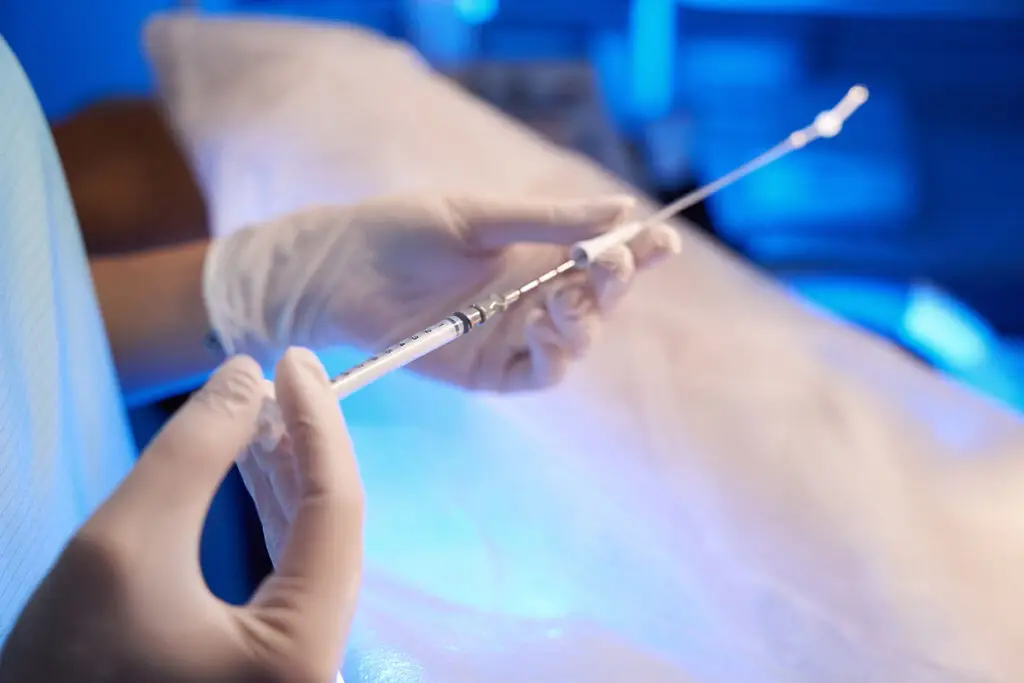
New research published in The BMJ suggests that following a woman’s natural ovulation cycle before a frozen embryo transfer can be just as effective as hormone-based preparation – and may come with fewer risks.
A large clinical trial in China looked at over 4,000 women aged 20–40 undergoing a frozen single embryo transfer. Participants were randomly assigned to one of two approaches for endometrial preparation.
Natural ovulation regimen – timing the transfer according to the woman’s natural cycle
Programmed hormone regimen – using medications to prepare the endometrium
Monitoring was used in both groups to ensure the optimal timing for embryo transfer.
Key Findings
Your initial consultation is an essential first step in understanding your fertility options and planning the right treatment for you. During this appointment, your consultant will:
- Live birth rates: Very similar between natural ovulation and hormone-based groups
- Lower maternal complications: Women in the natural ovulation group experienced fewer cases of
- Pre-eclampsia
- Early miscarriage
- Placental abnormalities
- Severe postpartum bleeding
- Delivery outcomes: Lower rates of Caesarean sections in the natural ovulation group
These results suggest that natural ovulation may provide a safer pathway for achieving a healthy pregnancy without compromising success rates.
Why This Matters
With frozen embryo transfers now accounting for over 60% of all IVF transfers worldwide, this research could influence how fertility specialists approach treatment, potentially offering women a more natural and lower-risk option.
Natural cycle FET is particularly suitable for women who ovulate regularly, while programmed cycles remain essential for many patients, and the optimal approach should always be individualised.
*Natural ovulation versus programmed regimens before frozen embryo transfer in ovulatory women: multicentre, randomised clinical trial, The BMJ. doi: 10.1136/bmj-2025-087045