IVF After 40: What Are Your Chances of Success?
Many women successfully conceive in their 40s, but it is important to understand how age can influence fertility and the chances of achieving a pregnancy through IVF.
Female fertility declines naturally with age, with a more noticeable reduction in pregnancy rates after 38. By the age of 40, the chances of conceiving, whether naturally or through IVF, become progressively lower.
What are the chances of IVF success after 40?
When using a woman’s own eggs, estimated pregnancy rates generally decline with increasing age. Approximate figures discussed in clinical counselling may be:
- Ages 40–42: Around 15–20%
- Ages 43–44: Less than 10%
- Age 45 and above: Very low, approaching zero
These are broad estimates rather than universal success rates. Outcomes vary between individuals and fertility clinics, and it is important to distinguish between pregnancy rates and live birth rates.
Why does IVF become less successful with age?
One of the most important factors is egg quality.
Women are born with a finite supply of eggs, which gradually decreases with age. As women get older, the proportion of eggs with chromosomal abnormalities also increases, making it more difficult to create genetically normal embryos.
By the early 40s, a substantial proportion of embryos may have chromosomal abnormalities, increasing the likelihood of unsuccessful implantation or miscarriage.
Ovarian reserve is another important consideration. Assessing the number of eggs a woman may be able to produce during IVF stimulation helps fertility specialists estimate the likelihood of obtaining embryos suitable for transfer. However, ovarian reserve tests do not directly measure egg quality.
Can genetic testing improve the chances of success?
Preimplantation Genetic Testing for Aneuploidy (PGT-A) can be used to assess embryos for chromosomal abnormalities before transfer.
If a chromosomally normal (euploid) embryo is available, the chances of pregnancy following its transfer may be considerably higher, with some clinics reporting rates of approximately 40–60%, depending on individual circumstances.
However, PGT-A does not improve egg or embryo quality, nor does it guarantee that a genetically normal embryo will be available. It has not been shown to improve the overall chance of having a baby for every patient undergoing IVF.
The importance of personalised fertility advice
For women considering IVF after 40, realistic expectations and individualised counselling are essential.
A fertility specialist can assess ovarian reserve, review medical history, discuss age-related success rates and explain whether treatments such as PGT-A may be appropriate.
Although IVF success rates decline with age, understanding the factors involved can help women make informed decisions about their fertility treatment and the options available to them.

Dr Antoine Abu Musa
Chief Medical Officer
@nowfertilitycare
Male Fertility After 40: How Do Age, Lifestyle and Sperm Health Affect Your Chances of Conceiving?
The journey to pregnancy varies widely, and for many, medical support becomes an important part of building a family. IVF offers a versatile, effective option that can be adapted to different circumstances, empowering individuals and couples to move forward with confidence.
Does Paternal Age Increase Genetic Risks?
Although much of the discussion around age and fertility focuses on women, male fertility is also affected by ageing. While men continue to produce sperm throughout their lives, sperm quality and reproductive health can gradually decline with age.
How does age affect sperm health?
As men get older, physiological changes can influence their fertility. Testosterone levels may gradually decline, while oxidative stress can increase, potentially affecting sperm quality and function.
Ageing is also associated with an increased likelihood of sperm DNA fragmentation, which may affect fertilisation, embryo development and reproductive outcomes.
Other age-related changes, including weight gain, hormonal imbalances and erectile dysfunction, can further influence reproductive health.
Are there increased genetic risks?
Unlike women, who are born with a finite supply of eggs, men continually produce new sperm. However, as men age, errors can accumulate during the process of sperm production, increasing the likelihood of new genetic mutations.
Advanced paternal age has been associated with a slightly increased risk of certain genetic conditions in offspring, as well as some adverse pregnancy outcomes. Importantly, the absolute risks for most of these conditions remain low.
Can lifestyle changes make a difference?
Lifestyle factors become particularly important as men get older. Maintaining a healthy weight, eating a balanced diet, exercising regularly, avoiding smoking and limiting alcohol consumption can all help support reproductive health.
For men over 40 who are planning a pregnancy, a semen analysis may provide valuable information about sperm concentration, motility and morphology. In selected circumstances, additional investigations, such as sperm DNA fragmentation testing, may be considered, although these are not routinely recommended for everyone.
Why should male fertility be part of the conversation?
When couples experience difficulties conceiving, it is important that both partners are assessed rather than focusing exclusively on female age.
Although the effects of ageing on male fertility are generally less pronounced than those experienced by women, they should not be overlooked.
Understanding how age, lifestyle and sperm quality interact can help men take a more proactive role in their reproductive health and support informed decisions about fertility treatment.

Ian Stones
Male Fertility Coach/Founder of testhim
@testhimltd
Donor Conception: What Are the Emotional and Psychological Considerations?
Choosing to build a family through donor eggs, sperm or embryos can bring a range of emotions, and everyone’s experience will be different.
For some, donor conception is a planned and positive route to parenthood from the outset. For others, particularly those who have experienced unsuccessful fertility treatment, it may involve coming to terms with the loss of the genetic connection they had originally hoped for.
Understanding the emotional journey
It is entirely possible to experience grief and hope at the same time. While there may be sadness about letting go of an anticipated route to parenthood, there can also be excitement about the possibility of building a family in a different way.
Allowing time to acknowledge and process these emotions can be an important part of preparing for donor conception.
Finding support and shared experiences
Connecting with others who are considering or have experienced donor conception can provide valuable reassurance and understanding.
Support groups, online communities and personal stories from donor-conceived families can help prospective parents feel less isolated and more confident about their decisions.
Listening to the experiences of donor-conceived individuals themselves can be particularly valuable, offering important insights into identity, genetic connections and family relationships.
Talking to children about donor conception
Another important consideration is how and when to explain donor conception to a future child.
Research generally supports openness and age-appropriate conversations from early childhood, helping donor-conceived children develop an understanding of their origins as a natural part of their family story.
For intended parents, exploring their own feelings beforehand can help them approach these conversations with greater confidence and sensitivity.
The importance of emotional preparation
Implications counselling can provide a supportive space to explore the emotional, psychological and practical aspects of donor conception before beginning treatment.
There is no single correct way to feel about using donor eggs, sperm or embryos. What matters is having the time, information and support needed to make an informed decision and feel prepared for the journey ahead.

Mel Johnson
Solo Parenthood Coach
@the_stork_and_i
Preparing for IVF: What Are the Best Foods and Nutrients to Support Fertility?
Preparing for IVF is an opportunity to focus on nutrition and lifestyle habits that support your overall health and reproductive wellbeing.
Rather than concentrating on foods to avoid, a positive approach is to consider which nutritious foods you can add to your diet to help prepare your body for fertility treatment.
Protein: Supporting growth and repair
Protein plays an important role in hormone production, tissue repair and general health. Including sufficient protein in your diet can also help you feel satisfied after meals.
Good sources include eggs, fish, poultry, beans, lentils, tofu and other plant-based proteins.
Healthy fats: Essential for reproductive health
Healthy fats are important for normal hormone function and overall health.
Foods such as avocados, nuts, seeds, olive oil and oily fish provide beneficial unsaturated fats, including omega-3 fatty acids, which play a role in regulating inflammation.
Colourful fruit and vegetables: Providing antioxidants
Eating a wide variety of colourful fruit and vegetables helps provide essential vitamins, minerals and antioxidants.
Antioxidants help protect cells from oxidative stress, which can affect reproductive health, while a varied intake of plant foods also supports a healthy gut microbiome.
Whole grains and fibre: Supporting blood sugar balance
Whole grains and fibre-rich foods help maintain stable blood sugar levels, support digestive health and provide sustained energy.
Good choices include oats, brown rice, wholegrain bread, quinoa, beans and vegetables.
Iron-rich foods: Preparing for pregnancy
Iron is particularly important for women preparing for pregnancy, as it supports healthy red blood cell production and oxygen transport.
Sources include lean meat, lentils, beans, leafy green vegetables and fortified cereals. Those following vegetarian or vegan diets may need to pay particular attention to their iron intake.
Don’t forget lifestyle habits
Alongside nutrition, adequate sleep, good hydration, regular physical activity and managing stress can all support general wellbeing during IVF preparation.
It is also important to follow preconception guidance on supplements, particularly folic acid, and discuss any individual nutritional needs with your fertility team.
The key message
There is no single food or diet that guarantees IVF success. However, focusing on a varied, balanced diet and positive lifestyle habits can help support your health as you prepare for treatment.
Small, sustainable improvements are often more beneficial than restrictive diets or drastic changes.

Julia Young
Fertility Nutritionist
@juliayoungnutrition
Events & Activities
NOW-fertility Connect
25th November 2026, 4pm BST/5pm CET/8pm GST via Zoom
Whether you are seeking treatment, looking for answers, needing reassurance or simply being empowered in the choices you make about fertility care, NOW-fertility Connect forum is for you.
Ask your questions live or follow @nowfertilitycare and DM them in advance.

Solo Parent Inclusion
17th November 2026, 6.30pm – 8pm GMT, London, UK
Included by Design: Transforming Inclusion for Solo Parent Families in the Fertility Sector
For more information and to sign up for a free ticket to the event:

PCOS to Pregnancy
PCOS to Pregnancy is a 21-day fertility programme for women with PCOS, designed to help you conceive, without giving up the food you love. It helps you understand how to adapt your nutrition to support your fertility, with an approach that fits around your life rather than relying on restrictive diets or a one-size-fits-all approach.

Elli Junior Design
Elli Junior Design specialises in bespoke nursery interiors crafted to be safe, functional and beautiful. Rooted in Scandinavian principles and child-development research, we create nurturing spaces where little ones can grow, learn and dream. All designs are custom-made in Dubai using premium materials and non-toxic finishes, ensuring style meets safety at every step. From concept to installation, we tailor every detail to your space, lifestyle and budget — bringing warm, purposeful and timeless nurseries to life across the UAE.
Special Offer
Special offer for ‘Fertility Focus’ readers – 50% off the design fee.
Please call Customer Service on +971 58 826 1293 and quote ‘NOW-fertility 50’.
Contributors Panel
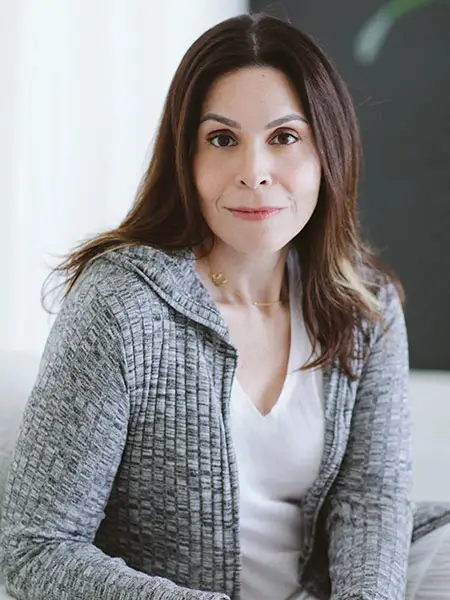
Cassie Destino
Founder of IVF Support UAE
- cassie@ivfsupportuae.com
- www.ivfsupportuae.com
- @ivfsupportuae
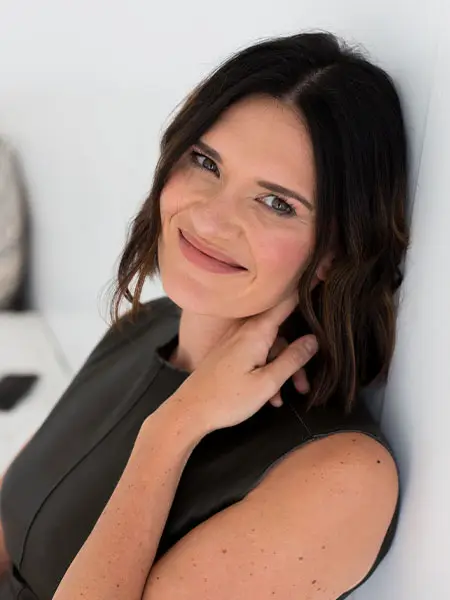
Claire Innes
Fertility & Nutrition Coach
- claire@thefertilitymentor.org.uk
- www.thefertilitymentor.org.uk
- @thereal.fertilitymentor
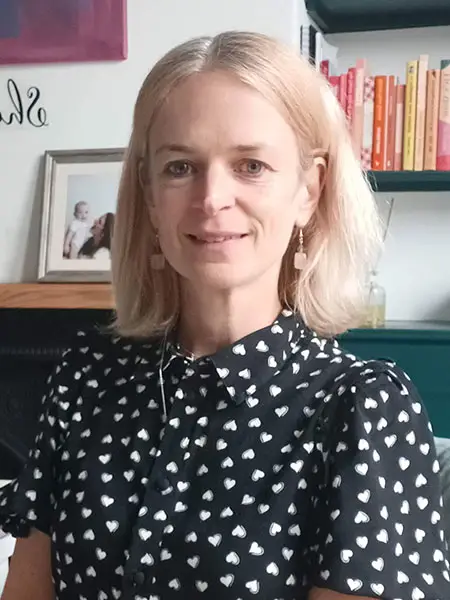
Mel Johnson
Solo Parenthood Coach, Founder of The Stork and I
- mel@thestorkandi.com
- www.thestorkandi.com
- @the_stork_and_I

Maria McMaster
- info@fertilityfitnesscoaching.com
- fertilityfitnesscoaching.com
- @fertilityfitnesscoaching

Elli Kasbi
Founder & Owner of Elli Junior
- elli@ellijunior.com
- www.ellijunior.com
- @ellijunior
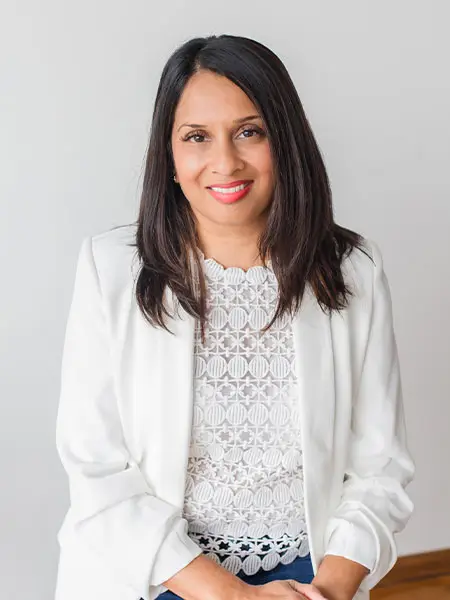
Tina Padia
IVF & Motherhood Coach
- tina@tinafertilitycoach.com
- www.tinafertilitycoach.com
- @tinaarjunpadia
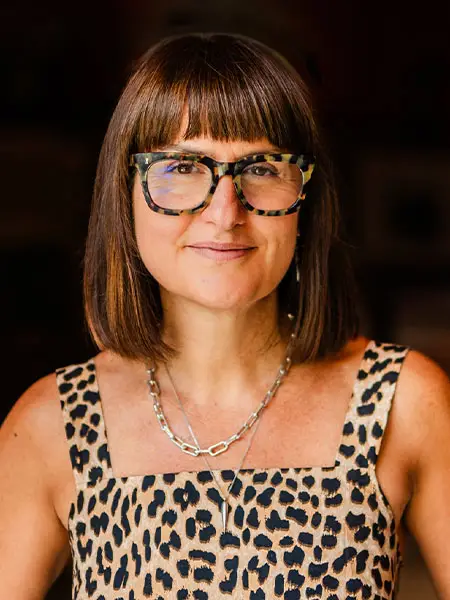
Hannah Pearn
Fertility Acupuncturist
- hello@hannahpearn.com
- www.hannahpearn.com
- @donttellmetorelax
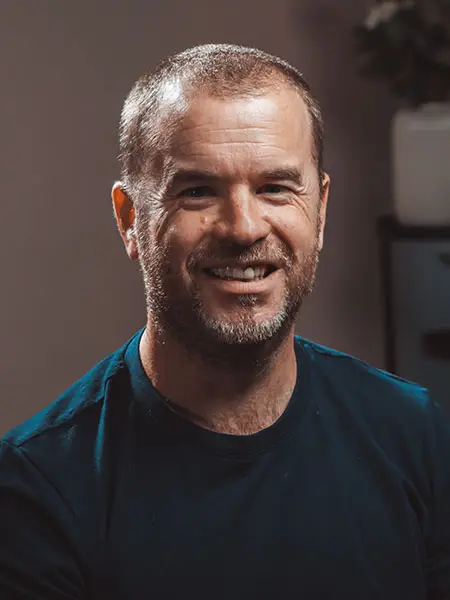
Ian Stones
Male Fertility Coach / Founder of testhim
- info@testhim.com
- testhim.com
- @testhimltd
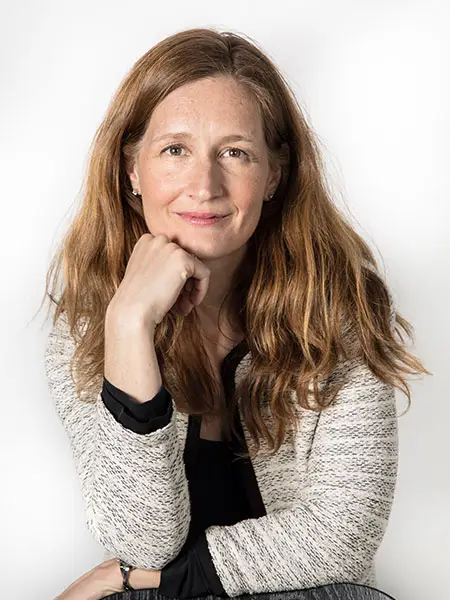
Stephanie Toulemonde
Emotional Coach
- info@stephanietoulemonde.com
- www.stephanietoulemonde.com
- @stephanie_toulemonde_coaching
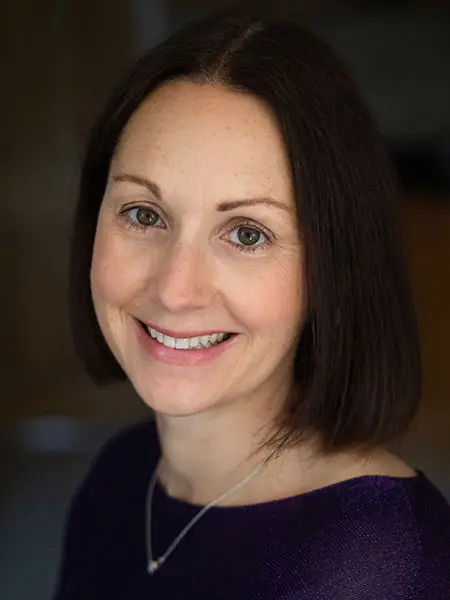
Julia Young
Fertility Nutritionist
- info@juliayoungnutrition.com
- juliayoungnutrition.com
- @juliayoungnutrition

We hope you enjoyed this month’s Fertility Focus.