Could GLP-1 medications influence fertility through weight loss? Our NOW-fertility Connect panel explores their potential impact on sperm quality, female reproductive health and nutrition.
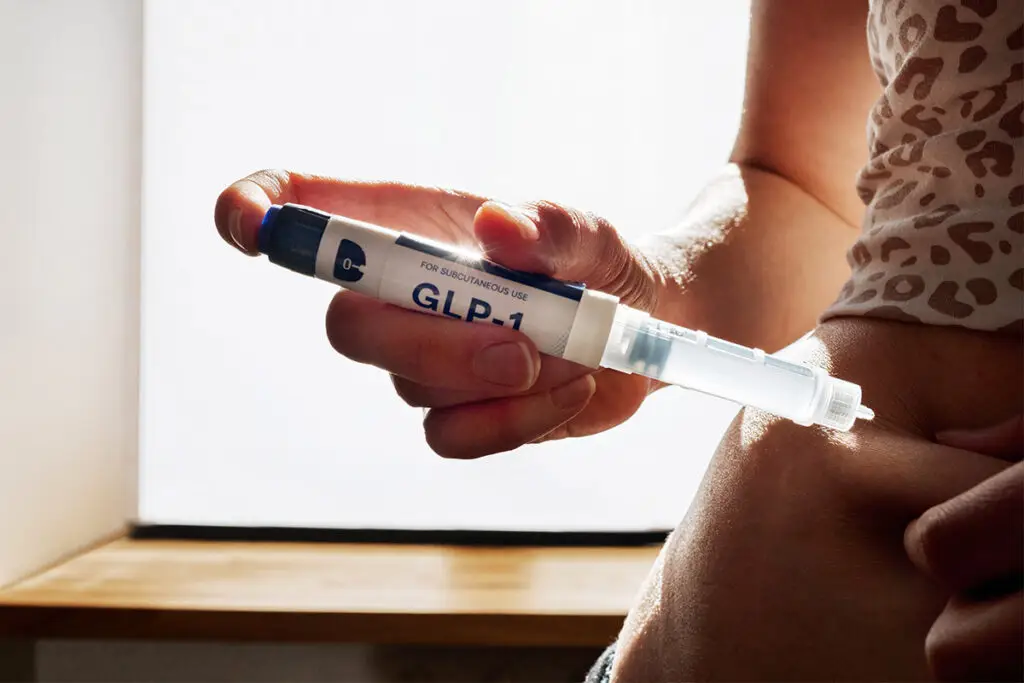
GLP-1-based medications, including Ozempic, Wegovy and Mounjaro, have attracted considerable attention for their role in weight management. As their use increases, so do questions about their potential impact on fertility.
Could significant weight loss improve sperm quality? Might these medications benefit women with hormonal and metabolic conditions? And could appetite suppression affect the intake of nutrients essential for reproductive health?
During a recent NOW-fertility Connect live Q&A, our panel explored these questions and discussed what the emerging research means for people planning pregnancy or IVF.
Can GLP-1 medications improve male fertility?
Obesity can affect male reproductive health through hormonal imbalances, increased oxidative stress and changes in sperm quality.
Ian Stones, Male Fertility Coach, explained that men living with obesity may experience blood sugar imbalances and hormonal changes that affect testicular function.

Excess abdominal fat can increase the conversion of testosterone into oestrogen, potentially disrupting hormonal balance. Significant weight loss may help reverse some of these effects and support sperm production.
Early research into GLP-1 medications and male fertility has shown encouraging findings, particularly among men with obesity or metabolic conditions.
However, it remains unclear whether improvements in sperm quality result directly from the medications or from the associated weight loss. Further research is needed to establish their effects on fertility and pregnancy outcomes.
What about GLP-1 medications and female fertility?
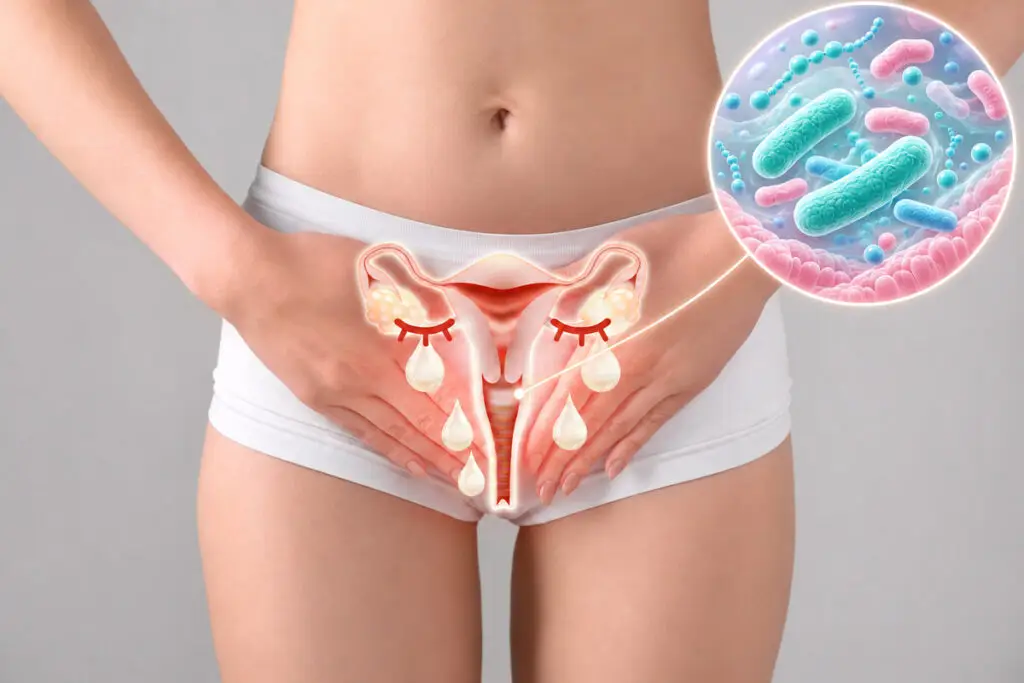
For women with Polyendocrine Metabolic Ovarian Syndrome (PMOS), traditionally known as Polycystic Ovary Syndrome (PCOS), GLP-1 medications may offer benefits, particularly where insulin resistance is present.
The proposed change from PCOS to PMOS reflects growing recognition that the condition involves more than the ovaries. It is a complex hormonal and metabolic disorder affecting insulin regulation, androgen levels and ovulatory function.
During the Q&A, Julia Young, Fertility Nutritionist, described her experience supporting women who had used GLP-1 medications.
She highlighted one patient who achieved significant weight loss during treatment but regained weight relatively quickly after stopping the medication in preparation for conception.
This illustrates the challenges of maintaining weight loss after treatment and the importance of combining medication with sustainable changes in nutrition, physical activity and lifestyle.

Could GLP-1 medications lead to nutritional deficiencies?
One concern raised during the discussion was whether appetite suppression could compromise nutritional intake.
GLP-1 medications reduce appetite and increase feelings of fullness, which can make it more difficult to consume adequate amounts of essential nutrients.
Julia highlighted emerging research identifying potential shortfalls in several nutrients important for reproductive health:
- Vitamin D: Involved in reproductive processes and general health.
- Selenium: Supports normal sperm production and antioxidant function.
- Magnesium: Important for metabolic health.
- Folate: Essential before and during early pregnancy for healthy fetal development.
- Copper: Supports several important biological functions.
Although these findings do not mean everyone taking GLP-1 medications will develop deficiencies, they highlight the value of a balanced, nutrient-rich diet and individualised nutritional support.
Planning pregnancy or IVF while taking GLP-1 medications
GLP-1 medications are not recommended during pregnancy, and some need to be discontinued well before attempting conception.
Anyone considering pregnancy or fertility treatment should always discuss their medication with their prescribing clinician and fertility specialist before making changes.

This is particularly important for patients using these medications to manage diabetes, as alternative treatment may be needed to maintain blood glucose control
Summary: What should patients remember?
GLP-1 medications may offer reproductive health benefits through improvements in weight management and metabolic health, particularly for men living with obesity and women with PMOS (PCOS) and insulin resistance.
However, their direct effects on fertility remain under investigation, and maintaining adequate nutrition is an important consideration.
For those planning pregnancy or IVF, an individualised approach can help ensure that weight management, nutritional needs and treatment planning are considered together.
At NOW-fertility, we provide personalised fertility care, helping patients understand their options and plan treatment according to their individual circumstances.
Considering fertility treatment?
Contact NOW-fertility to arrange a complimentary initial consultation and discuss your options with our team.
Medical review

Medically reviewed by:
Antoine Abu Musa
Consultant in Reproductive Medicine & Infertility | Chief Medical Officer
Published date: 19/11/26
Review date: 19/11/26
Editorial information

- Written by NOW-fertility’s Group Assistant & Communication Manager, Annette Eckersley
- Reviewed for medical accuracy by a NOW-fertility clinician.
- Published and last-reviewed dates displayed accurately.