Could the bacteria living in our bodies influence the chances of IVF success? And could something as simple as what we eat make a difference?
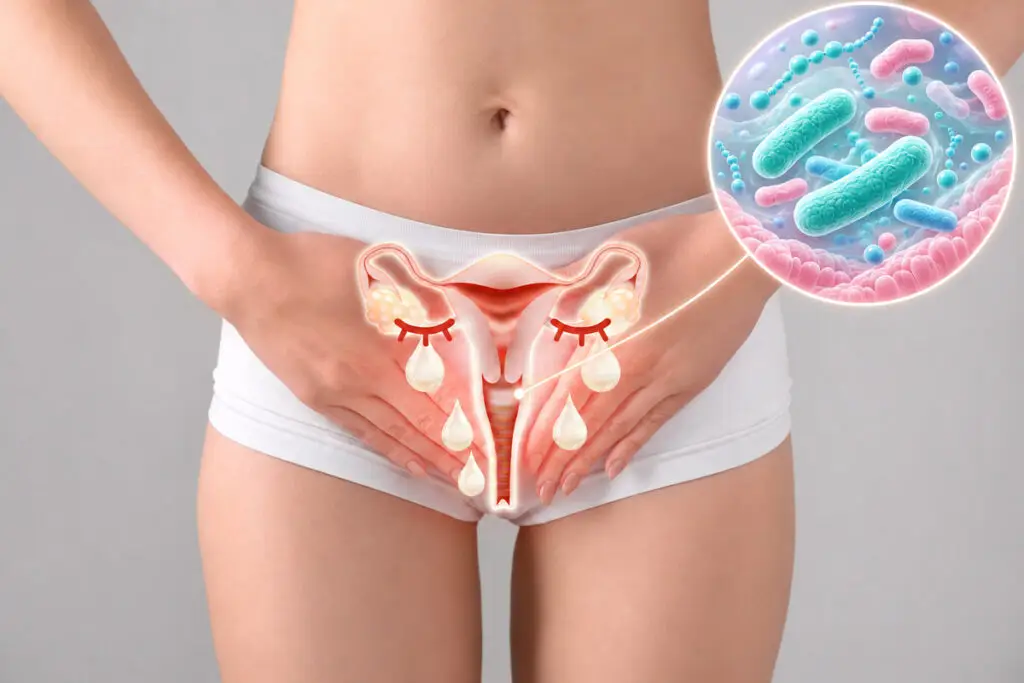
The reproductive microbiome is an increasingly important area of fertility research, raising interesting questions about the role of bacteria in reproductive health and embryo implantation.
During our September NOW-fertility Connect Q&A forum, our panel explored the potential influence of the vaginal and uterine microbiomes on IVF outcomes, and whether diet and lifestyle changes could help support a healthier bacterial balance.
In this article, we share their insights, looking at what the current evidence tells us, what remains uncertain and what patients should know when preparing for fertility treatment.
Dr Riadh Ben Temime, Consultant in Reproductive Medicine & Infertility: There have been several studies exploring the potential influence of the vaginal and uterine microbiomes on fertility and IVF outcomes.
Traditionally, the uterus was considered a sterile environment, but research has suggested that bacteria may also be present within the uterus.
Some studies involving patients with recurrent implantation failure have suggested that changes in the vaginal or uterine microbiome may be associated with implantation outcomes.
We know that bacterial vaginosis, which involves an imbalance in the vaginal bacteria, may be associated with reproductive health problems and potentially poorer implantation outcomes.
Improving the vaginal microbiome may therefore be beneficial, particularly when there is evidence of bacterial vaginosis or an overgrowth of potentially harmful bacteria.
The uterine microbiome is a more controversial area. Although some studies have identified differences in the uterine microbiome among women experiencing implantation failure, the evidence is not yet conclusive.
In my own clinical practice, I routinely perform vaginal and endocervical swabs before IVF treatment to check for infections.
If an infection is identified, I provide appropriate treatment. I may also recommend vaginal preparations containing beneficial bacteria, such as Lactobacillus, to help restore a healthier bacterial balance.
However, we cannot yet say with certainty that these interventions improve IVF success rates. More research is needed.
Julia Young, Fertility Nutritionist: I think both our diet and lifestyle can play an important role in supporting a healthy microbiome.
When it comes to nutrition, we want to encourage the growth of beneficial bacteria, and one way to do this is by including plenty of prebiotic foods in our diet.
Prebiotics essentially provide food for beneficial bacteria. They are found in fibre-rich foods such as fruits, vegetables, asparagus, beans, chickpeas, leeks, garlic and sweet potatoes.
These foods help support a healthy gut microbiome, which may also have wider implications for microbial health throughout the body.
We can also include probiotic foods, which contain live microorganisms.
Examples include sauerkraut, kimchi, kefir drinks and yoghurts, kombucha and miso. These fermented foods can help support microbial diversity, particularly within the gut.
Although there is growing interest in the relationship between diet and the vaginal and uterine microbiomes, we still need more research to understand how directly dietary changes influence these environments.
Lifestyle factors are also important.
Dietary habits, stress and smoking can all influence microbial health. Smoking, for example, has been associated with changes in the vaginal microbiome.
There are also some practical steps women can take to support vaginal health.
One is to avoid spending long periods in tight, non-breathable clothing, particularly after exercising. For example, it’s sensible to change out of damp Lycra gym clothes after a workout.
Choosing breathable underwear, such as cotton or bamboo fabrics, may also help maintain comfort and reduce moisture.
Another important consideration is intimate hygiene.
There are many vaginal washes, douches and other intimate hygiene products available, often marketed as being pH-balanced. However, the vagina is naturally self-cleaning, and these products are generally unnecessary.
In fact, douching and certain fragranced products can disrupt the natural vaginal environment.
Gentle washing of the external genital area with water is usually sufficient.
It’s also worth considering the menstrual products we use. Some women prefer fragrance-free or organic sanitary products to minimise exposure to unnecessary additives, although evidence that organic products improve the vaginal microbiome is limited.
Overall, supporting a healthy microbiome involves looking at the bigger picture. A balanced, fibre-rich diet, appropriate hygiene practices and healthy lifestyle habits may all contribute to microbial health.
Dr Riadh Ben Temime
Consultant in Reproductive Medicine & Infertility
Dr Riadh Ben Temime is a Consultant in Reproductive Medicine and Infertility with 25 years of experience. Trained in Tunisia and France, he specialises in IVF, reproductive endocrinology, endometriosis and minimally invasive surgery. He is a published researcher and World IVF Congress prize winner.
Julia Young
Fertility Nutritionist
Julia Young is a registered Nutritional Therapist and Certified Fertility Practitioner specialising in fertility, PCOS and hormonal health. She provides personalised, evidence-based nutrition support for women and couples, helping optimise reproductive health, prepare for IVF and support conception.

Explore Your Fertility Treatment Options
Would you like to understand which fertility treatments may be suitable for you, including options available internationally?
Contact NOW-fertility to arrange a complimentary consultation and explore the next steps in your fertility journey.
Medical review

Editorial information

- Written by NOW-fertility’s Group Assistant & Communication Manager, Annette Eckersley
- Reviewed for medical accuracy by a NOW-fertility clinician.
- Published and last-reviewed dates displayed accurately.