Fertility Focus – June 2026

PCOS Is Now PMOS: Why has the name changed and what does it mean?

For years, many women diagnosed with PCOS have felt the name never fully reflected what they were actually experiencing. You may have been told you have “polycystic ovaries” despite never having ovarian cysts, while your main challenges have instead been irregular cycles, insulin resistance, fatigue, acne, weight changes, inflammation, or fertility difficulties.

In May 2026, an international consensus published in The Lancet proposed renaming PCOS to PMOS: Polyendocrine Metabolic Ovarian Syndrome. The updated term reflects a growing understanding that this condition involves multiple hormonal and metabolic systems throughout the body, rather than being confined to the ovaries.

The previous name has long been considered misleading. The “cysts” seen on ultrasound are typically immature follicles rather than true ovarian cysts, and ovarian appearance alone does not fully explain the condition.

PMOS recognises the broader role of metabolic and endocrine factors such as insulin resistance, blood sugar regulation, inflammation, and hormonal imbalance, all of which can influence ovulation, androgen production, and fertility.

This change is particularly relevant in fertility care. Historically, management has often focused on symptom control, weight loss, or ovulation-inducing medication. While these approaches can be helpful, they may not always address the underlying physiological drivers contributing to symptoms or difficulty conceiving. A more systems-based understanding encourages consideration of metabolic health, inflammation, stress, sleep, nutrient status, and lifestyle factors that can all influence reproductive function.

Importantly, PMOS can present very differently from one woman to another, which is why a personalised approach is essential. Recognising the complexity of the condition supports more individualised fertility care that looks beyond symptom management and considers root drivers of hormonal imbalance.

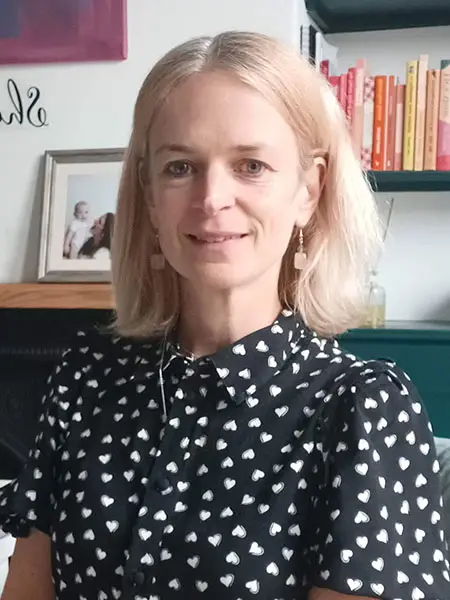
Julia Young
Registered Nutritional Therapist | Fertility Specialist
@juliayoungnutrition

In conversation with:

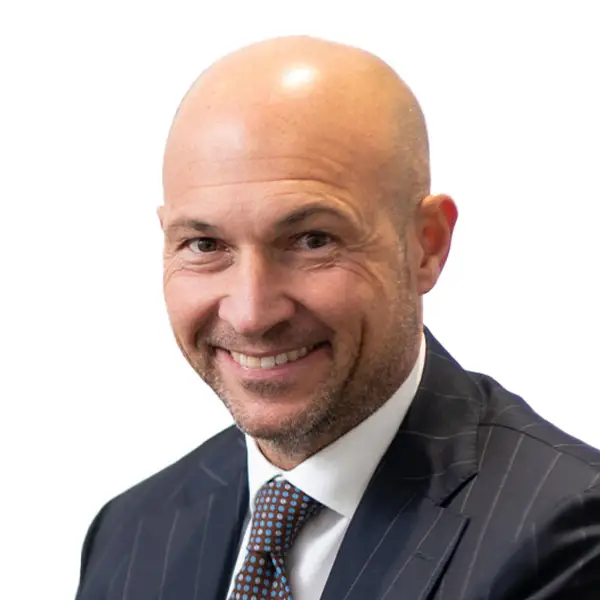
Antoine Abu Musa

Dr Antoine Abu Musa
Consultant in Reproductive Medicine & Infertility
@nowfertilitycare

Fertility-Friendly Fitness:
What helps and what to avoid?

When trying to conceive, exercise can be a valuable tool for supporting overall health, managing stress, improving energy levels and, where appropriate, supporting weight loss. However, more exercise is not always better.

The most effective approach is usually regular, moderate activity that you can maintain consistently. Walking, strength training, swimming, cycling and low-impact fitness classes can all help improve fitness without placing excessive stress on the body.

Strength training is particularly beneficial as it helps maintain muscle mass and supports a healthy metabolism.

One of the biggest misconceptions is that you need intense daily workouts to improve fertility. In reality, very high training volumes, excessive cardio and exercising to exhaustion may not be helpful, particularly if recovery, sleep and nutrition are poor.

It’s also important to avoid an “all or nothing” mindset. Small, consistent habits often produce better long-term results than short bursts of extreme exercise.

If you are preparing for fertility treatment or IVF, speak with your healthcare team about any specific recommendations. In most cases, maintaining regular movement, supporting your body with good nutrition and focusing on sustainable habits can help you feel stronger, healthier and more prepared for the journey ahead.

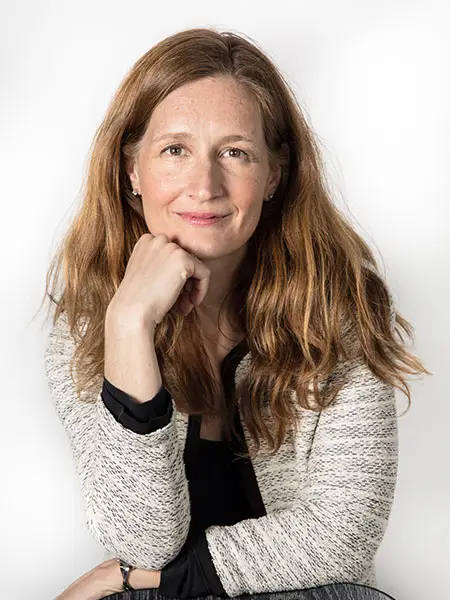
Maria McMaster
Fertility & Fitness Coach
@fertilityfitnesscoaching

In conversation with:

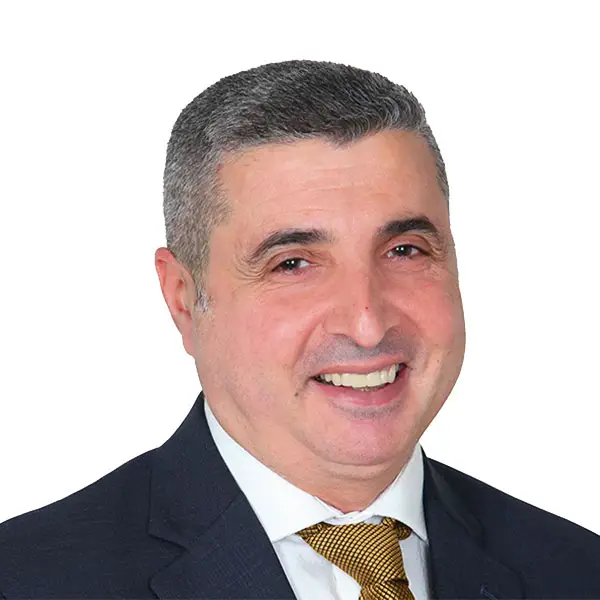
Ioannis Gryparis​​

Dr Ioannis Gryparis​​
Consultant in Reproductive Medicine & Infertility
@nowfertilitycare

Find My Fertility Clinic

Find My Fertility Clinic helps you to choose which of the clinics within NOW-fertility’s global network is best suited to your individual needs and preferences.


By answering some straightforward questions about your demographics and personal information as well as the treatment you wish to pursue, we advise which of our clinics is best for you. 


Find My Fertility Clinic helps you to make an informed decision and shorten the time to pregnancy or to freeze your eggs:

Our Guide to Your Fertility Journey:
5 steps to start your treatment with NOW-fertility

1) Make an initial enquiry
2) Benefit from a complimentary consultation

Your consultant will:

  • Discuss your clinical history as well as your individual needs and preferences
  • Advise you of the available treatment options
  • Recommend the best clinic for you within our global network
  • Propose your individualised fertility treatment plan
3) Receive your individualised cost plan

Your care coordinator will:

  • Share with you your individualised cost plan, so that the costs are transparent and fixed from the outset
4) Attend your pre-treatment consultation

Your consultant and nurse will:

  • Review your individualised treatment plan
  • Arrange your screening tests (if required)
  • Arrange your fertility medications
  • Arrange your counselling (if required)
  • Answer any questions you may have
5) Meet with your nurse

Your consultant and nurse will:

  • Check that all your test results are available
  • Check that all the consent forms have been signed
  • Explain your treatment cycle
  • Do the teaching of your medications
  • Agree the start date for your treatment
Luciano Nardo

Dr Luciano Nardo
Consultant in Reproductive Medicine & Infertility  
@nowfertilitycare

Virginia Mancini

Virginia Mancini
Fertility Care Coordinator
@nowfertilitycare

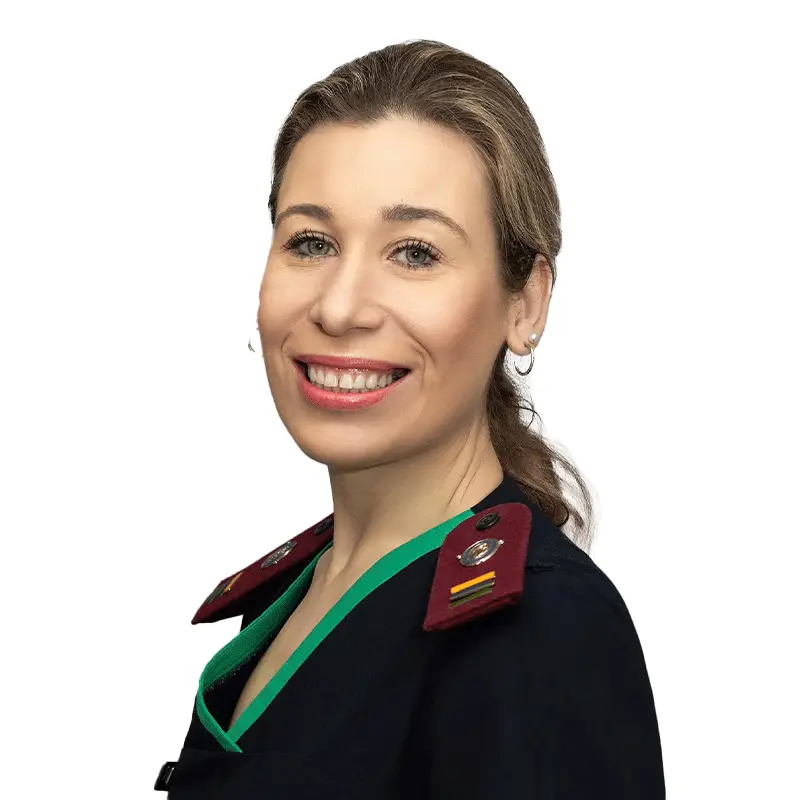
Izanne Van Rijn

Izanne Van Rijn
Fertility Nurse
@nowfertilitycare

Getting IVF-Ready: What supplements to take?

The right nutrients can help support your body before and during IVF by improving overall fertility health, egg quality, hormone balance, and sperm quality. Here are some of the most commonly recommended supplements:

Methyl folate

The active, ready-to-use form of Folate. It is essential before and during pregnancy to support healthy fetal development and reduce neural tube defects.

Vitamin D

Low vitamin D levels are common in fertility patients and may affect reproductive health.

Omega-3

Supports inflammation balance, hormone health, and overall wellness.

CoQ10

Often recommended for egg quality and cellular energy support, especially after age 35.

Prenatal Vitamins

Help fill nutritional gaps and prepare the body for pregnancy.

Iron & B12

Important if deficiencies are present, especially with fatigue or anaemia.

Inositol

May support ovulation and insulin sensitivity, particularly in women with PMOS.

For Men: Zinc, Selenium & Antioxidants

Can support sperm quality and motility.

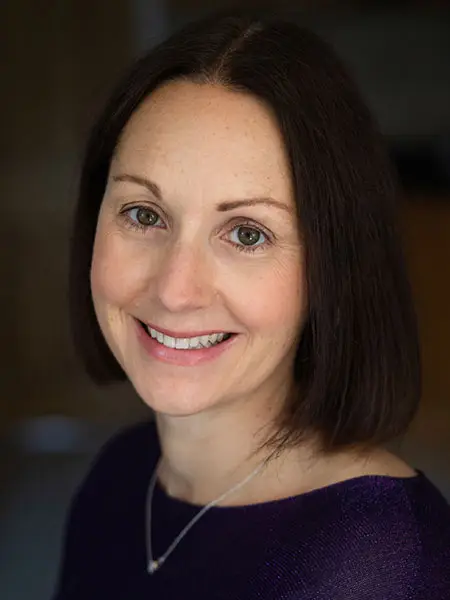
Stephanie Rahmeh

Stephanie Rahmeh
Brassica Nutrition Clinic
@brassicanutrition

In conversation with:

Nicolas Darazi

Dr Nicolas Darazi
Consultant in Reproductive Medicine & Infertility  
@nowfertilitycare

Explore the NOW-Fertil PLUS supplements here:

Events & Activities

Testhim and the National Three Peaks Challenge

26/06/26 – 28/06/26

Regular contributor Ian Stones of @testhim is taking part in this challenge to support Fertility Action, a national charity providing vital support, information, and advocacy to ensure that no-one has to navigate fertility challenges alone.

To learn more and support Ian in his challenge please visit:

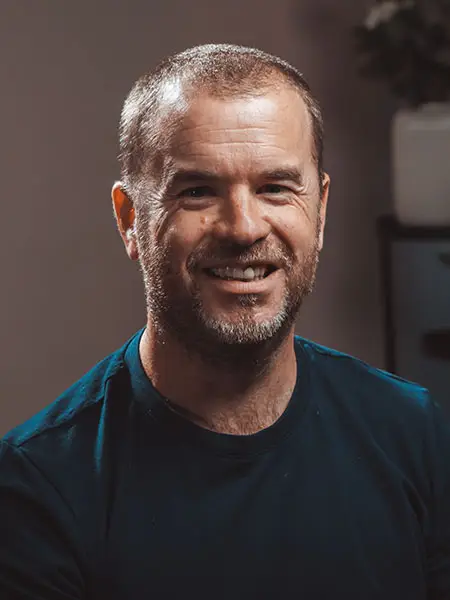
Ian Stones
Male Fertility Coach / Founder of testhim
@testhimltd

NOW fertility Connect Logo

Your Questions, Answered Live!

Join us:

The forum is a unique patient-focused event designed to inform, empower, and support you.

Ask your questions live during the event or submit them in advance by DM to our Instagram account @nowfertilitycare

Contributors Panel

Cassie Destino

Cassie Destino

Founder of IVF Support UAE

Claire Innes

Claire Innes

Fertility & Nutrition Coach

Mel Johnson

Mel Johnson

Solo Parenthood Coach, Founder of The Stork and I

Maria McMaster

Maria McMaster

Founder of Fertility Fitness Coaching
Elli Kasbi

Elli Kasbi

Founder & Owner of Elli Junior

Tina Padia

Tina Padia

IVF & Motherhood Coach

Hannah Pearne

Hannah Pearn

Fertility Acupuncturist

Ian Stones

Ian Stones

Male Fertility Coach / Founder of testhim

Stephanie Toulemonde

Stephanie Toulemonde

Emotional Coach

Julia Young

Julia Young

Fertility Nutritionist

NOW-Fertility

We hope you enjoyed this month’s Fertility Focus.

If you have any suggestions or would like to contribute to a future edition, please contact